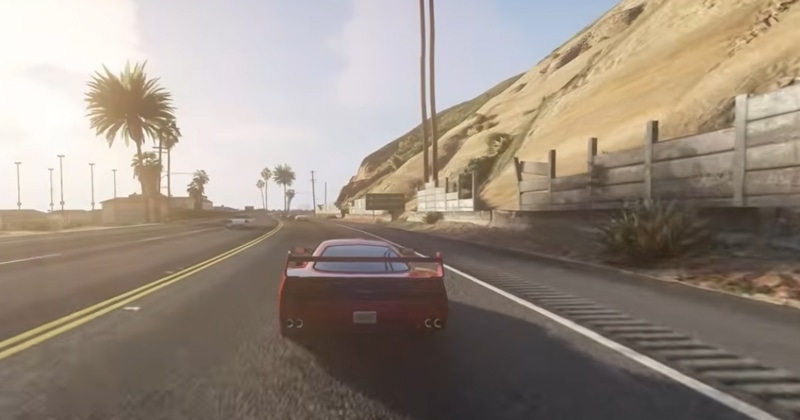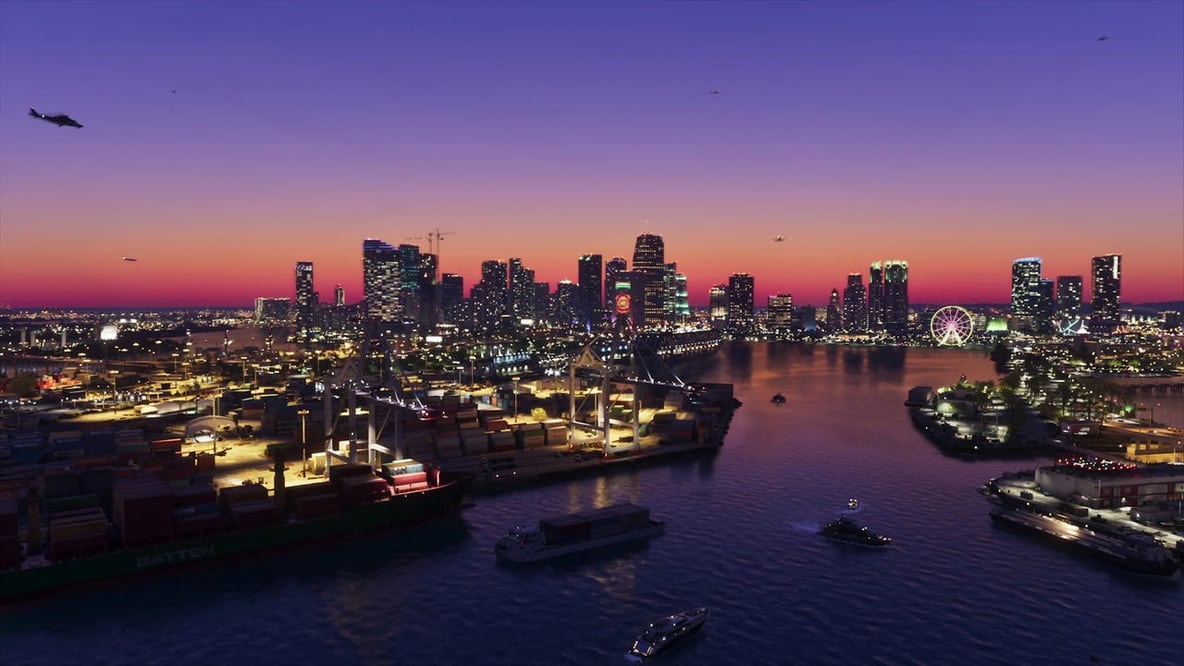
Vice City’s revealed locations include Ocean Beach, Little Cuba, the Tisha-Wocka flea market, and VC Port. Each introduces a different part of the city, from beachfront hotels and neighborhood bakeries to imitation brands and cruise ships. For players planning how to spend their GTA 6 Money while exploring, these locations offer a starting point for a sightseeing checklist, though specific purchases and prices still need confirmation.
These names do not form a complete district directory. Some refer to neighborhoods, while others identify a market or port. Understanding that distinction makes it easier to organize a sightseeing checklist without confusing individual landmarks with larger areas.
This guide covers locations introduced in Rockstar’s promotional material. District boundaries, building access, and activities should be checked against the released game before being used for detailed route planning.
Vice City Locations at a Glance
| Location | Type of destination | What identifies it |
| Ocean Beach | Beachfront area | Pastel Art Deco hotels and white sand |
| Little Cuba | Neighborhood | Busy panader穩as, or bakeries |
| Tisha-Wocka flea market | Market landmark | Bootleg brands and commercial satire |
| VC Port | Port area | Cruise ships and the cruise industry |
Use these descriptions to choose places that match your interests. They describe the settings, rather than confirming available shops, missions, or rewards.
Ocean Beach: Art Deco Hotels and the Coast
Ocean Beach brings together two of Vice City’s most recognizable visual elements: pastel Art Deco hotels and white sand. The relationship between the buildings and the shoreline gives the area its identity.
For a sightseeing visit, consider both the broad coastal view and the individual hotel fronts. The beach provides a sense of the area’s scale, while entrances, signs, and building shapes offer more specific reference points.
Do not assume that a familiar location name guarantees a familiar layout. Players returning from an earlier GTA game should check the current map before relying on a remembered intersection, hotel entrance, or shortcut.
Ocean Beach is a sensible starting point for an architecture-focused visit. It should not automatically be treated as a hotel activity hub, since a visible building does not establish an accessible interior or a related mission.
Little Cuba: Bakeries and Neighborhood Businesses
Rockstar introduces Little Cuba through its bustling panaderías. Those bakeries place local commerce at the center of the neighborhood’s description and give it a different focus from Ocean Beach’s waterfront hotels.
Little Cuba is a useful choice for players interested in street-level detail. Distinctive business fronts and recognizable junctions can help you learn the neighborhood without relying entirely on map markers.
When recording places to revisit, separate three types of information:
- Visible landmark: A sign, building, or corner that helps identify the street.
- Accessible business: A location where you have verified an entrance or interaction.
- Objective location: A place explicitly connected to a mission or other task.
A bakery exterior can serve as a landmark without confirming food purchases, character effects, or interior access. Keeping those observations separate makes personal map notes more reliable.
Tisha-Wocka Flea Market: Bootleg Brands and Street Satire
The Tisha-Wocka flea market is associated with bootleg brands in Rockstar’s city description. That makes its commercial humor the clearest reason to include it on a sightseeing list.
Players who enjoy GTA’s fictional advertising have a specific focus here: business names, signs, and the presentation of imitation goods. The market’s identity gives those details context.
Its description does not establish a trading system. Bootleg merchandise should not be interpreted as evidence of discounted equipment, resale profits, or a repeatable cash-making activity. Those claims require actual transactions and verified rewards.
VC Port: Vice City’s Cruise Waterfront
VC Port is presented through its connection to cruise ships. It offers a different waterfront setting from Ocean Beach, with the emphasis shifting from hotels and sand to the cruise industry.
For sightseeing, look for accessible viewpoints that place ships and nearby structures in the same view. That comparison can help communicate the scale of the port.
Access needs a separate check. Before planning a visit around boarding a vessel or crossing a dock, verify the available approach. A ship shown in promotional material does not confirm an accessible interior, a boarding route, or a related activity.
Jack of Hearts and Only Raw Records
Vice City’s businesses also connect locations with the characters who operate within them. Two names worth recognizing are Jack of Hearts and Only Raw Records.
Jack of Hearts
Jack of Hearts appears in Boobie Ike’s official introduction. His profile connects him with real estate, a strip club, and a recording studio, placing him within several parts of Vice City’s business scene.
The venue’s connection to Boobie provides story context. It does not establish a player ownership feature, a management menu, or passive income.
Only Raw Records
Only Raw Records connects Boobie Ike with Dre’Quan Priest. Real Dimez are also identified as artists signed to the label, creating a clear relationship between the business and several named characters.
Recognizing the label helps readers follow those connections. A recording business in a character biography should not be treated as confirmation that players can purchase a studio, manage artists, or collect music revenue.
Can These Locations Generate Player Income?
A business belongs in a GTA 6 Money route only when there is evidence of a paying activity available to the player. The fact that a character owns or operates it is not enough.
Apply the same standard to GTA VI Money advice involving markets, clubs, or recording studios. A useful recommendation should identify what the player does, how the activity becomes available, and what reward is received.
| Detail to check | Why it matters |
| Exact activity | Establishes the action required to earn money |
| Access requirements | Shows whether progression or another condition is involved |
| Confirmed reward | Separates a demonstrated payout from an estimate |
| Repeatability | Indicates whether the activity supports repeated runs |
| Associated costs | Helps distinguish the reward from the amount retained |
Without those details, the location remains a point of interest rather than a verified income source.
Beyond Vice City: Other Leonida Destinations
Vice City is part of Leonida. Rockstar’s wider destination showcase also names Leonida Keys, Grassrivers, Port Gellhorn, Ambrosia, and Mount Kalaga.
| Destination | How to organize it in a travel plan |
| Leonida Keys | A separate regional destination outside the city checklist |
| Grassrivers | A wider Leonida destination |
| Port Gellhorn | A separate entry from VC Port |
| Ambrosia | A destination to track independently from Vice City neighborhoods |
| Mount Kalaga | A wider-state destination rather than a city district |
Port Gellhorn and VC Port should not be merged into a single entry. Their names refer to separate places in the published location material.
The Keys also have direct character connections. Jason’s biography places him there working for local drug runners, while Brian Heder’s profile describes a smuggling operation conducted through his boat yard. These details establish story context without confirming a player-operated smuggling business.
For travel planning, keep the city checklist and statewide checklist separate until you can verify distances and road connections.
Before Following a Vice City Map Route
A collection of named places is not enough to establish a reliable route. Check what a map marker represents and whether the accompanying instructions demonstrate actual access.
| Route claim | What to verify |
| “This is the exact location” | Whether the marker comes from the game or a community estimate |
| “Enter through this building” | Whether the entrance is accessible under the stated conditions |
| “Visit these attractions in this order” | Whether road connections and access have been checked |
| “This venue pays well” | The activity, reward, costs, and repeatability |
| “This location returns from an earlier game” | Whether the claim concerns its name, appearance, or verified layout |
Approximate markers can help with orientation. Precise route instructions need a confirmed position, an accessible approach, and a recognizable arrival point.